Death metal Evolution and Subgenres
- 1.
The Origins and Evolution of Death metal
- 2.
Defining the Sound Characteristics of Death metal
- 3.
The Big 4 and Major Players in Death metal
- 4.
Understanding the Name Death metal
- 5.
Death metal and Religious Controversy
- 6.
Cannibal Corpse and Genre Classification
- 7.
Subgenres and Variations of Death metal
- 8.
The Global Spread of Death metal
- 9.
Technical Aspects and Musicianship in Death metal
- 10.
The Future and Legacy of Death metal
Table of Contents
Death metal
The Origins and Evolution of Death metal
Tracing the Roots of Extreme Music
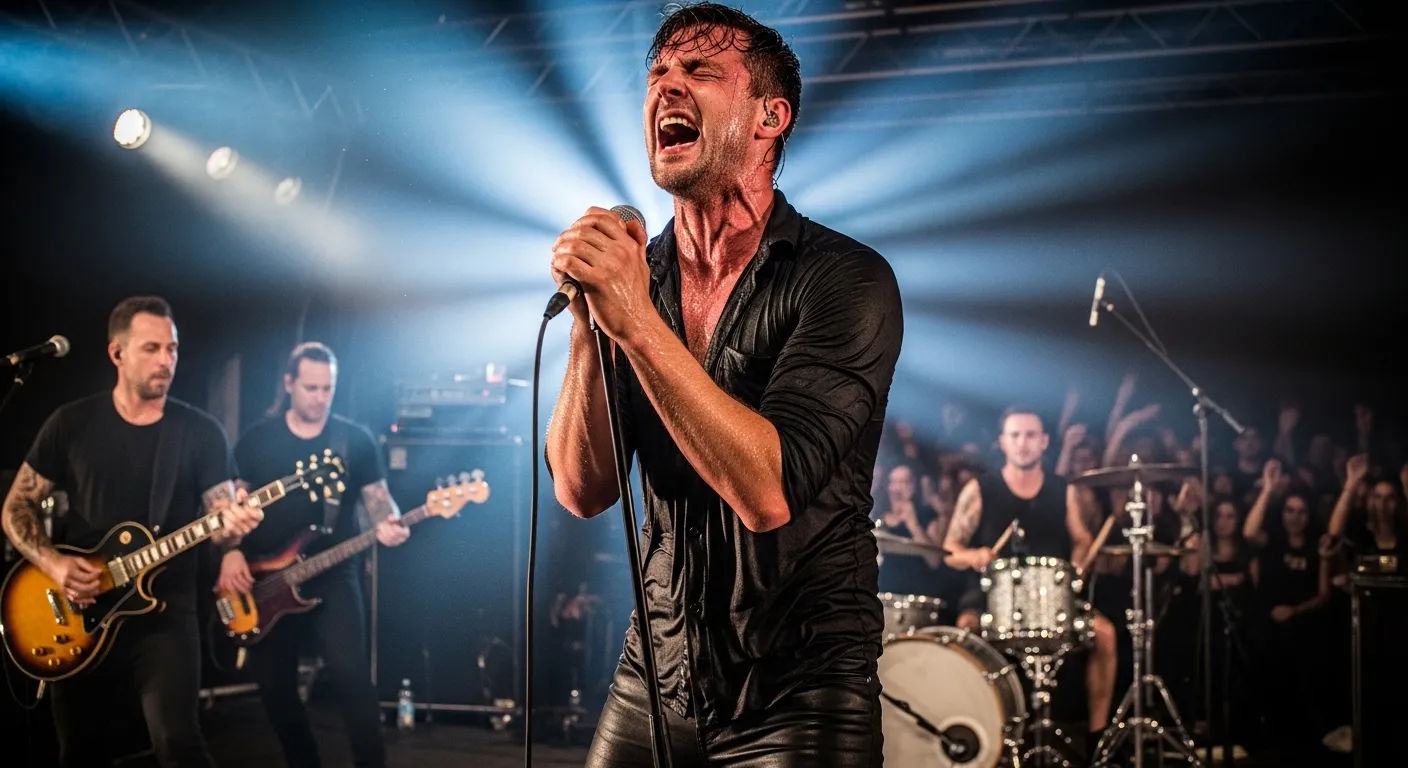
Y'all ever wonder why in the hell folks decided to take metal and make it sound like it was recorded in the depths of Hades itself? That's death metal for ya, a genre that emerged from the underground like a zombie crawlin' outta its grave in the mid-80s. We're talkin' about a sound so brutal, so unrelenting, that it made thrash metal look like a lullaby. Death metal started brewin' in places like Tampa, Florida, and Stockholm, Sweden, where bands were pushin' the boundaries of what metal could be.
The early pioneers of death metal weren't playin' for radio airplay or mainstream success. Nah, they were craftin' somethin' raw and visceral, somethin' that reflected the darkness they saw in the world. Bands like Possessed, who dropped their "Seven Churches" album in 1985, basically invented the blueprint for what death metal would become. The genre's name itself came from Possessed's song "Death Metal," and it stuck like glue.
Defining the Sound Characteristics of Death metal
What Makes Death metal Unique
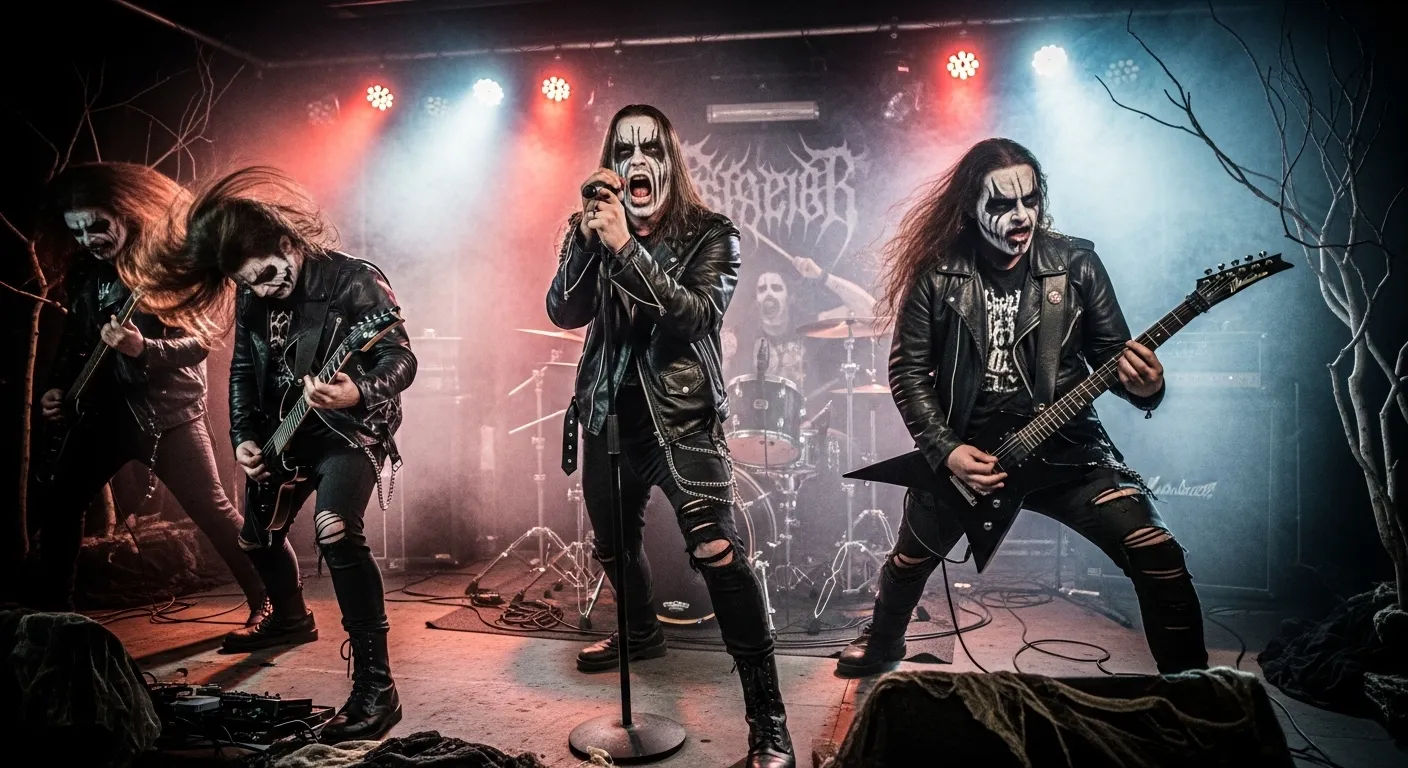
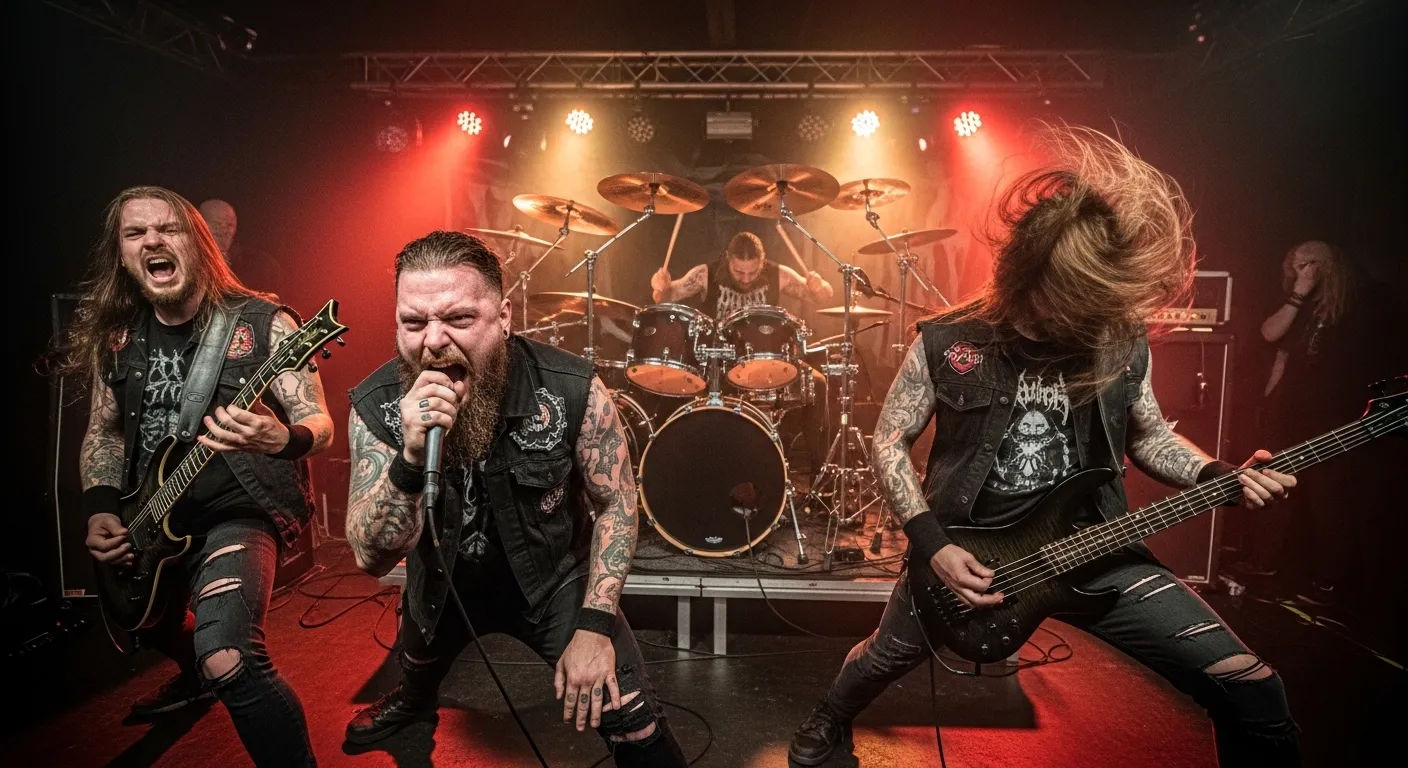
When we talk about the sonic signature of death metal, we're describin' a wall of sound that hits you like a freight train. The guitars are tuned lower than standard, often droppin' down to B or even lower, creatin' a thick, chuggin' tone that rattles your bones. The drummin' is relentless, with blast beats that sound like a machine gun firin' at full auto. And them vocals? They ain't singin', folks—they're growlin', guttural roars that sound like they're comin' from the pit of your stomach.
Here's the technical breakdown: Death metal typically features tempos rangin' from 180 to 250 BPM, with some tracks goin' even faster. The guitar work emphasizes palm-muted riffs and tremolo pickin', while the bass often follows the guitar but adds its own low-end rumble. The production aesthetic varies from raw and lo-fi in the early days to more polished sounds in modern death metal, but the core elements remain the same.
The Big 4 and Major Players in Death metal
Identifying the Legends of the Genre
Now, when folks ask about the "Big 4" of death metal, they're usually referin' to the bands that defined and popularized the genre in its formative years. Unlike thrash metal's Big 4 (Metallica, Slayer, Megadeth, Anthrax), death metal's lineup is a bit more debatable, but most heads agree on these heavy hitters: Death, Morbid Angel, Cannibal Corpse, and Obituary. Each of these bands brought somethin' unique to the table.
Let's break down the stats: Death, led by the legendary Chuck Schuldiner, is often called the "Father of Death Metal" and their 1987 album "Scream Bloody Gore" is considered a cornerstone of the genre. Morbid Angel's "Altars of Madness" (1989) pushed technical boundaries, while Cannibal Corpse became the best-sellin' death metal band of all time with over 2 million albums sold. Obituary brought a slower, groovier approach that influenced countless bands.
Understanding the Name Death metal
The Etymology and Cultural Context
So why in the world do they call it death metal? Well, it ain't just for shock value, though that's definitely part of it. The name reflects the lyrical themes that dominate the genre: mortality, violence, gore, and the darker aspects of human existence. When Possessed coined the term with their 1985 track, they were describin' music that was heavier and more extreme than anything that came before it.
The cultural impact of the name can't be understated. Death metal emerged during a time when society was fascinatin' with the macabre, from horror movies to true crime. The genre gave voice to that fascination, explorin' themes that mainstream music wouldn't touch. Some folks saw it as dangerous or corruptin', but for fans, it was a form of catharsis, a way to confront mortality and darkness in a safe, controlled environment.
Death metal and Religious Controversy
Navigating Faith and Extreme Music
The relationship between death metal and Christianity is complicated, y'all. On one hand, you got bands like Deicide and Morbid Angel with blatantly anti-Christian lyrics and imagery. On the other hand, there's a whole subgenre called "Christian death metal" with bands like Mortification and Living Sacrifice. The genre itself ain't inherently against Christianity—it's a musical style that can be used to express various viewpoints.
Here's what's interestin': Many death metal musicians come from religious backgrounds and use the genre to explore their doubts, anger, or rejection of organized religion. Others use blasphemous imagery purely for shock value or as a rebellion against societal norms. The truth is, death metal is diverse, and while some bands actively oppose Christianity, others incorporate spiritual themes or remain neutral on religious matters.
Cannibal Corpse and Genre Classification
Death metal vs Black metal Distinctions
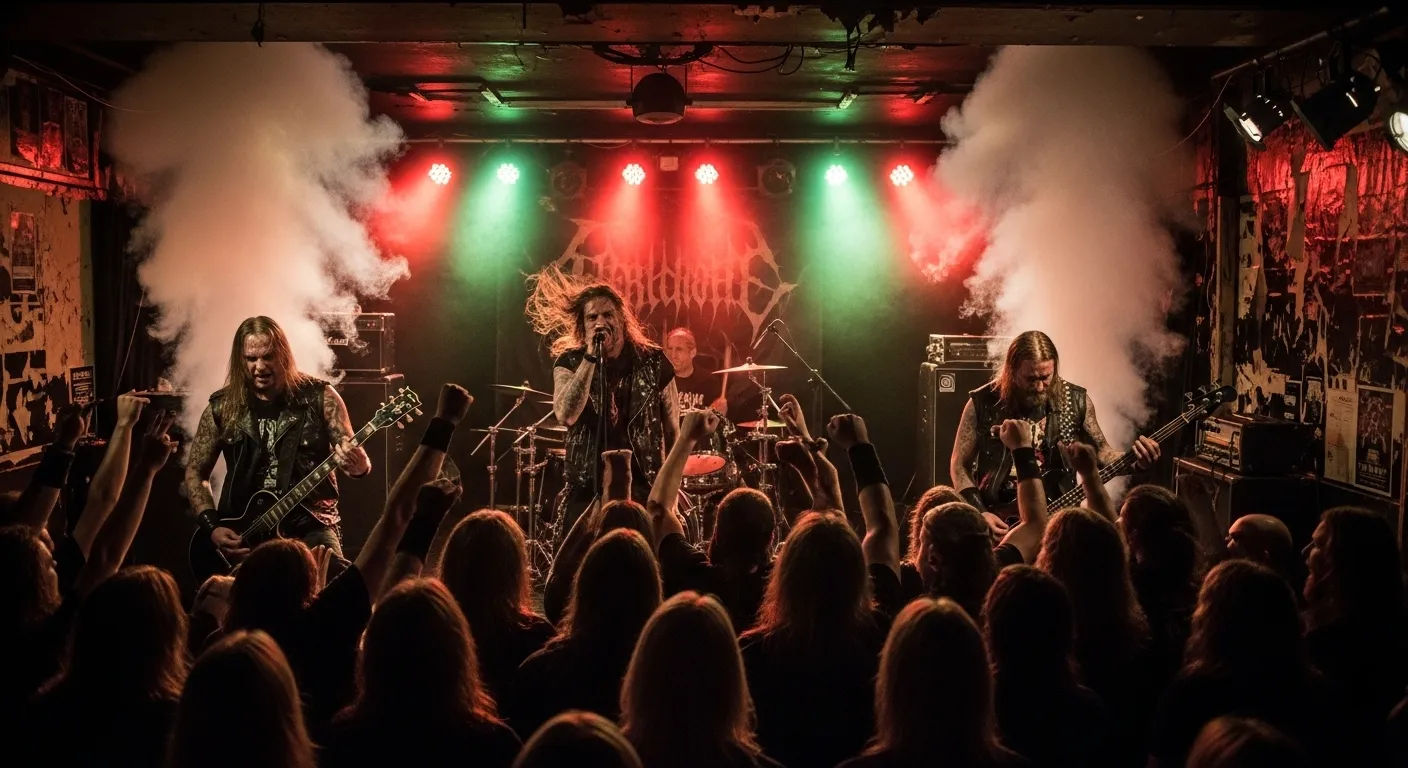
Let's clear up some confusion: Cannibal Corpse is definitively a death metal band, not black metal. While both genres are extreme and share some similarities, they're distinct in their sound, aesthetics, and origins. Cannibal Corpse, formed in Buffalo, New York in 1988, embodies everything that is death metal—guttural vocals, technical riffing, and lyrics focused on gore and violence.
The key differences between death metal and black metal are worth note. Black metal typically features higher-pitched shrieked vocals, lo-fi production, tremolo-picked guitars, and themes of Satanism, paganism, and anti-Christianity. Death metal, on the other hand, uses lower growled vocals, often has better production quality, and focuses on death, gore, and horror. Cannibal Corpse's graphic album covers and brutal sound have made them icons of death metal specifically.
Subgenres and Variations of Death metal
Exploring the Diverse Branches
Death metal ain't a monolith, folks—it's branched out into numerous subgenres over the years. We're talkin' about technical death metal (think Necrophagist), melodic death metal (At the Gates, In Flames), brutal death metal (Suffocation), and death-doom (Paradise Lost, early Anathema). Each subgenre takes the core elements of death metal and pushes them in different directions.
Check out this breakdown: Technical death metal emphasizes complex time signatures and virtuosic musicianship, while melodic death metal incorporates more harmonized guitar melodies and cleaner production. Brutal death metal pushes the extremity with even lower vocals and faster tempos. Death-doom slows things way down, blendin' the heaviness of death metal with the melancholy of doom metal. The diversity within death metal is staggering.
The Global Spread of Death metal
From Underground to Worldwide Phenomenon
What started in Florida and Sweden has spread to every corner of the globe, with vibrant death metal scenes emergin' in places you might not expect. We're talkin' about thriving communities in Japan, Brazil, Poland, Indonesia, and beyond. Each region brings its own cultural flavor to the genre, creatin' unique variations that keep death metal fresh and excitin'.
The numbers don't lie: Death metal festivals now draw tens of thousands of fans worldwide. Events like Maryland Deathfest in the US, Party.San in Germany, and Brutal Assault in Czech Republic showcase hundreds of bands and attract fans from across the globe. The genre has proven it ain't just a fad—it's a lasting movement with dedicated followers who keep the flame burnin' bright.
Technical Aspects and Musicianship in Death metal
The Skill Behind the Brutality
Don't let the chaotic sound fool ya—death metal requires serious musicianship. We're talkin' about guitarists who can play at blistering speeds while maintainin' precision, drummers with endurance and technical prowess that would make a jazz musician jealous, and vocalists who've developed a technique that allows them to produce those guttural sounds night after night without destroyin' their vocal cords.
The equipment matters too: Death metal guitarists typically use 7 or 8-string guitars, high-gain amplifiers, and specific pickup configurations to achieve that thick, heavy tone. Drummers use double bass pedals or even two bass drums to achieve those machine-gun blast beats. The production techniques have evolved from the raw, demo-quality recordings of the 80s to the crystal-clear, punchy mixes of today.
The Future and Legacy of Death metal
Where the Genre Heads Next
After nearly four decades, death metal shows no signs of slowin' down. The genre continues to evolve, with new bands pushin' boundaries and experimentin' with fusion elements from jazz, classical, electronic, and world music. Young musicians are discoverin' death metal through streaming platforms and social media, ensurein' the genre's survival for generations to come.
Here's where you can dive deeper: Whether you're a seasoned headbanger or just curious about the genre, there's always more to explore. Check out Arisen From Nothing for comprehensive coverage, browse our Genres section to discover related styles, or read our in-depth analysis of RABM Bands History And Evolution to see how death metal intersects with other movements. The journey through extreme music never ends.
Frequently Asked Questions
Who is the big 4 of death metal?
The big 4 of death metal typically refers to Death, Morbid Angel, Cannibal Corpse, and Obituary. These four bands were instrumental in shaping and popularizing death metal during its formative years in the late 1980s and early 1990s. Death metal pioneer Chuck Schuldiner's band Death is often considered the most influential, while Cannibal Corpse became the best-selling death metal band commercially.
Why do they call it death metal?
They call it death metal because the genre's lyrical themes focus heavily on death, mortality, violence, and gore. The term was coined by the band Possessed in their 1985 song "Death Metal," and it described music that was heavier and more extreme than thrash metal. The name reflects both the musical intensity and the dark subject matter that characterizes death metal.
Is death metal against Christianity?
Death metal as a genre is not inherently against Christianity, though some bands within death metal do feature anti-Christian lyrics and imagery. Bands like Deicide and Morbid Angel are known for blasphemous content, but there's also a thriving Christian death metal scene with bands like Mortification. Death metal is a musical style that can express various viewpoints, from anti-religious to pro-religious themes.
Is Cannibal Corpse black metal or death metal?
Cannibal Corpse is definitively a death metal band, not black metal. Formed in 1988, Cannibal Corpse exemplifies death metal characteristics including guttural growled vocals, technical guitar riffs, and lyrics focused on gore and violence. While both genres are extreme metal, black metal features higher-pitched shrieked vocals, lo-fi production, and different thematic focuses, making Cannibal Corpse clearly a death metal act.
References
- https://www.metal-archives.com
- https://www.rollingstone.com/music
- https://www.decibelmagazine.com
- https://www.allmusic.com
- https://www.billboard.com