Metallica #One Fan Favorite Track
- 1.
The Birth of Metallica #One: A Masterpiece Emerges
- 2.
Musical Composition: The Structure of Metallica #One
- 3.
Lyrical Depth: The Story Behind Metallica #One
- 4.
The Music Video Revolution: Metallica #One on MTV
- 5.
Commercial Success: The Numbers Behind Metallica #One
- 6.
Live Performances: Experiencing Metallica #One in Concert
- 7.
Critical Reception: What Critics Said About Metallica #One
- 8.
Cultural Impact: How Metallica #One Changed Music
- 9.
Technical Analysis: The Musicianship of Metallica #One
- 10.
Legacy and Endurance: Metallica #One Today
Table of Contents
Metallica #One
The Birth of Metallica #One: A Masterpiece Emerges
From Johnny Got His Gun to Heavy Metal Gold
Ever wondered what happens when thrash metal meets anti-war literature? Well, Metallica #One is basically that collision in its most beautiful, devastating form. We're talkin' 'bout 1988, y'all, when big hair was still cool and MTV actually played music videos. The band had just read Dalton Trumbo's novel "Johnny Got His Gun" and something just clicked. They knew they had to create somethin' that would make people feel the horror of war, not just hear about it.
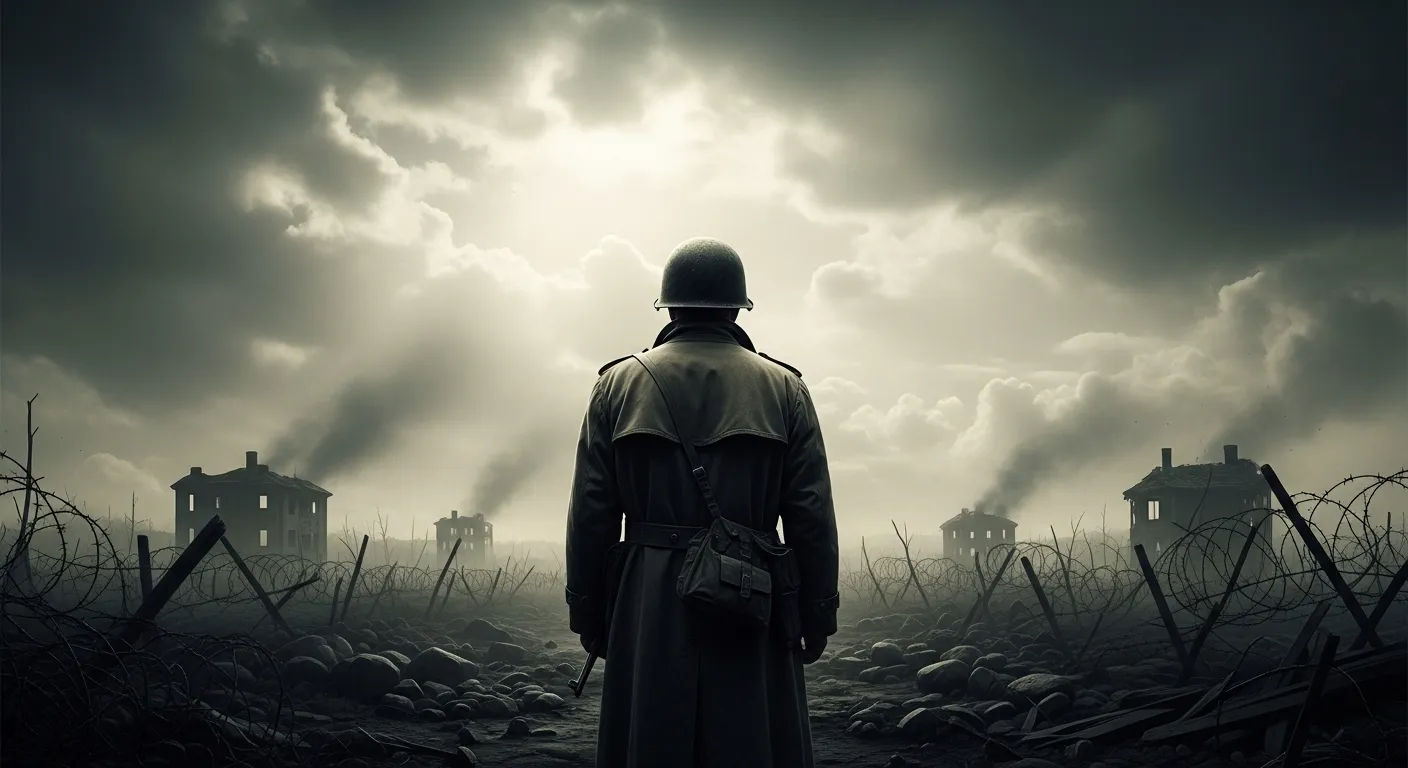
The creation of Metallica #One wasn't just another songwriting session. Nah, this was artistic alchemy at its finest. James Hetfield and Lars Ulrich were watchin' the film adaptation late at night, and they couldn't shake the images from their minds. A soldier, limbless, blind, deaf, trapped in his own body. That's some heavy stuff, man. And they transformed that nightmare into seven minutes and twenty-eight seconds of pure musical storytelling that would change metal forever.
Musical Composition: The Structure of Metallica #One
From Clean Guitars to Thrash Fury
What makes Metallica #One so damn special is its structure. The song starts off gentle, almost peaceful, with clean guitar arpeggios that lull you into a false sense of security. Then bam! It builds and builds, layer by layer, until it explodes into one of the most devastating thrash metal sections ever recorded. It's like watchin' a storm roll in - you see it comin', but nothin' can prepare you for the impact.
The guitar work on Metallica #One showcases Kirk Hammett and James Hetfield at their absolute peak. Those harmonized guitar lines in the intro? Chef's kiss. The dual guitar assault in the heavy section? Pure genius. And let's not forget Cliff Burton's replacement, Jason Newsted, layin' down a bass foundation that anchors the whole damn thing. The song moves through different movements like a classical piece, but with the raw power of thrash metal. It's progressive without bein' pretentious, heavy without bein' mindless.
Lyrical Depth: The Story Behind Metallica #One
Voicing the Voiceless Soldier
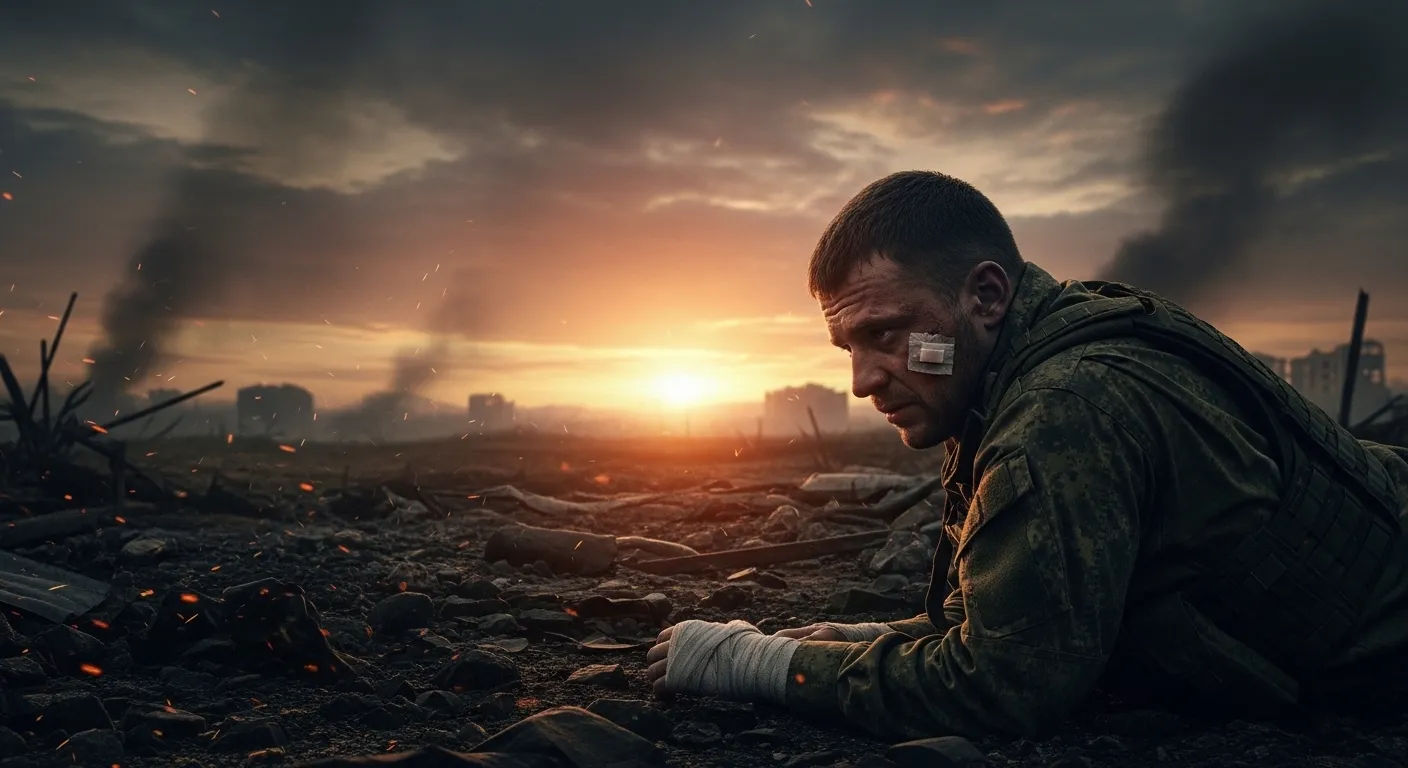
The lyrics of Metallica #One are harrowing, man. They put you right inside the mind of a soldier who's lost everything - his arms, his legs, his sight, his hearing. All he's got left is his mind, and that's both his salvation and his prison. James Hetfield's vocals convey desperation, anger, and a plea for release that'll give you chills every single time. "Darkness imprisoning me, all that I see, absolute horror" - damn, that's some powerful imagery right there.
What's remarkable about Metallica #One is how the lyrics mirror the protagonist's deteriorating state. The song builds from whispered pleas to screamed demands for death. It's not just a song; it's a narrative journey through trauma and isolation. The repeated "Landmine has taken my sight, taken my speech, taken my hearing, taken my arms, taken my legs, taken my soul" is one of the most devastating sequences in metal history. Hetfield isn't just singin'; he's channeling pure anguish.
The Music Video Revolution: Metallica #One on MTV
Breaking Boundaries and Making History
Here's where things get really interesting. Metallica #One wasn't just a song; it was Metallica's first-ever music video. And what a debut it was! The band took footage from the 1971 film "Johnny Got His Gun" and intercut it with performance shots. MTV, which had largely ignored metal up to that point, couldn't ignore this. The video was groundbreaking, intense, and impossible to look away from.
The impact of the Metallica #One video on MTV cannot be overstated. It brought thrash metal into living rooms across America, exposin' millions of people to a genre they might never have encountered otherwise. The video won the Grammy for Best Metal Performance in 1990, Metallica's first Grammy. It proved that heavy metal could be artistic, meaningful, and commercially successful all at once. MTV played it constantly, and suddenly, Metallica wasn't just a metal band - they were superstars.
Commercial Success: The Numbers Behind Metallica #One
Chart Performance and Sales Data
When Metallica #One hit the airwaves, it changed everything. The song reached number 35 on the Billboard Hot 100, which was unprecedented for a seven-minute thrash metal epic. The parent album, "...And Justice for All," debuted at number 6 on the Billboard 200 and eventually went 8x platinum in the United States. That's over 8 million copies sold, folks. In an era before streaming, that was massive.
The commercial success of Metallica #One extended beyond just album sales. The single itself sold hundreds of thousands of copies, and the video rotation on MTV brought in a whole new audience. Here's a quick breakdown of the impact:
| Metric | Achievement |
|---|---|
| Billboard Hot 100 Peak | #35 |
| Album Certification (US) | 8x Platinum |
| Grammy Awards | 1 Win (Best Metal Performance) |
| Video Rotation | Heavy MTV Airplay |
| Global Album Sales | Over 12 Million Copies |
These numbers tell the story of Metallica #One breakin' through from underground metal to mainstream success. It proved that heavy, complex music could find a mass audience if it was good enough. And damn, was it ever good enough.
Live Performances: Experiencing Metallica #One in Concert
From Small Clubs to Stadium Anthems
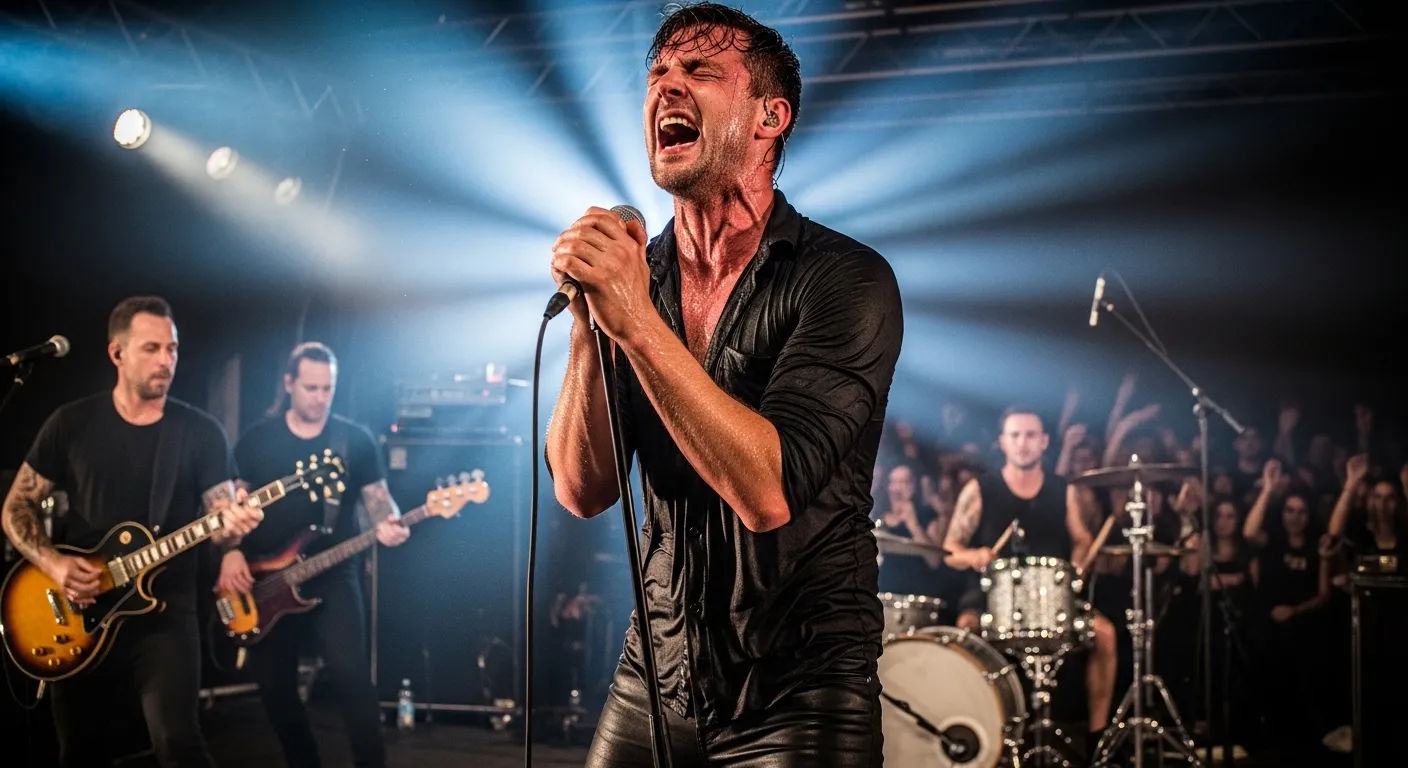
There's somethin' magical about hearin' Metallica #One live. The song has been a staple of Metallica's setlist since 1989, and it never fails to bring the house down. When those clean guitar intro notes ring out, you can feel the crowd collectively hold their breath. Then, when the heavy section hits, it's like a tsunami of sound and energy.
The live versions of Metallica #One often stretch out, with extended solos and heavier breakdowns. Metallica has performed this song at countless venues, from intimate clubs to massive stadiums. It's been played at benefit concerts, award shows, and tribute events. The song's live performance at the 1989 Grammy Awards, where they played alongside the San Francisco Symphony's string section, was legendary. That performance showed the world that Metallica #One wasn't just metal - it was art.
Critical Reception: What Critics Said About Metallica #One
From Metal Press to Mainstream Acclaim
When Metallica #One first dropped, critics knew they were witnessin' somethin' special. The metal press went absolutely bonkers for it. Magazines like Kerrang!, Metal Forces, and Hit Parader praised the song's ambition, its emotional depth, and its musical complexity. But it wasn't just metal critics who took notice. Mainstream publications started payin' attention too, recognizeing that this was significant cultural work.
Over the years, Metallica #One has consistently appeared on "greatest songs" lists across multiple genres. Rolling Stone, VH1, and countless other outlets have ranked it among the greatest rock and metal songs of all time. Critics praise its narrative power, its musical innovation, and its unflinching look at the horrors of war. The song proved that metal could tackle serious subjects with intelligence and artistry. It's not just a great metal song; it's a great song, period.
Cultural Impact: How Metallica #One Changed Music
Influencing Generations of Musicians
The influence of Metallica #One on metal and rock music is immeasurable. Countless bands have cited this song as a major influence on their sound and approach to songwriting. It showed that you could write long, complex songs and still get radio play. You could tackle serious subjects and still make people headbang. You could be heavy and melodic at the same time.
Bands from every subgenre of metal have tried to capture the magic of Metallica #One. From progressive metal to death metal to metalcore, you can hear its influence everywhere. The song's structure - startin' slow and buildin' to a furious climax - has become a blueprint for epic metal compositions. It proved that metal could be intellectual without bein' pretentious, emotional without bein' sappy, and heavy without bein' one-dimensional. That's a legacy that keeps on givin'.
Technical Analysis: The Musicianship of Metallica #One
Breaking Down the Musical Elements
Let's get technical for a minute, shall we? Metallica #One is a masterclass in musical composition. The song is written in E minor and features a tempo that ranges from around 72 BPM in the intro to over 200 BPM in the thrash section. That's a massive dynamic range, and the band executes it flawlessly.
The guitar work on Metallica #One features some of Kirk Hammett's most memorable solos. The harmonized guitar lines in the intro are played in thirds, createin' that haunting, melancholic sound. Lars Ulrich's drumming is precise and powerful, with the iconic machine gun-style double bass drum pattern in the heavy section mimickin' the sound of... well, you know. Jason Newsted's bass provides a solid foundation, though it's famously buried in the mix (thanks to the album's production choices). The technical proficiency on display in Metallica #One is staggering, yet it never feels like the band is showin' off. Every note serves the story.
Legacy and Endurance: Metallica #One Today
Why the Song Still Matters
Here we are, decades later, and Metallica #One still hits just as hard as it did in 1989. The song has accumulated over 500 million streams on Spotify alone, and that number grows every single day. New generations of metalheads discover it and are blown away by its power. It's been covered by countless bands, featured in movies and video games, and remains a staple of rock radio worldwide.
What makes Metallica #One timeless is its universal message. War is still happening. Soldiers are still sufferin'. The song's anti-war message is as relevant today as it was during the Cold War era when it was written. For more content like this, check out Arisen From Nothing for our homepage, visit our Media section for more music coverage, or read our detailed exploration in Metallica Songs Best Hits Collection. Metallica #One ain't just a song from the past; it's a living piece of art that continues to resonate, challenge, and inspire.
Frequently Asked Questions
What are Metallica's top 5 songs?
While opinions vary, Metallica #One consistently ranks in the top 5 alongside "Master of Puppets," "Enter Sandman," "Fade to Black," and "One." These songs represent the band's ability to combine heavy riffs with meaningful lyrics and memorable melodies. Metallica #One specifically stands out for its progressive structure and powerful anti-war message.
What song does Metallica refuse to play?
Metallica has rarely performed "Escape" from their Ride the Lightning album, and they've also been known to skip certain songs from Load and Reload albums. However, Metallica #One has never been refused - it remains a permanent fixture in their setlist and is one of the songs they're most proud to perform live for fans around the world.
Is One an anti-war song?
Absolutely yes. Metallica #One is one of the most powerful anti-war songs ever written. Based on Dalton Trumbo's novel "Johnny Got His Gun," the song depicts the horrors of war from the perspective of a severely wounded soldier. The lyrics and music work together to create a visceral condemnation of war's devastating human cost, making Metallica #One a timeless protest song.
What was Metallica's first music video?
Metallica #One was Metallica's first-ever music video, released in 1989. The video combined footage from the 1971 film "Johnny Got His Gun" with performance shots of the band. This groundbreaking video brought Metallica to mainstream attention through heavy MTV rotation and helped establish them as more than just a thrash metal band, proving Metallica #One was a cultural milestone.
References
- https://www.metallica.com
- https://www.rollingstone.com/music/music-news
- https://www.billboard.com/music/rock
- https://www.grammy.com
- https://en.wikipedia.org/wiki/One_(Metallica_song)
- https://www.mtv.com