70s Metal Bands: The Roots of Heavy Metal Glory

- 1.
Was Metal Even a Thing in the 1970s? Spoiler: It Was Born There, Y’all
- 2.
Who Were the Hard Rock Singers in the 70s? The Vocal Gods Who Paved the Way
- 3.
Who Was the Heaviest Band in 1970? The Answer’s Louder Than Your Neighbor’s Stereo
- 4.
Wait—What About the “Big Four of Death Metal”? (Spoiler: That’s Not the 70s, Bruh)
- 5.
The Holy Trinity of 70s Metal Bands: Sabbath, Priest, and Purple
- 6.
Underground & Overlooked: Hidden Gems Among 70s Metal Bands
- 7.
Albums That Changed Everything: Must-Have Records from 70s Metal Bands
- 8.
From Blues to Bludgeoning: How 70s Metal Bands Evolved Rock
- 9.
Global Echoes: Were 70s Metal Bands Only British?
- 10.
Why the 70s Metal Bands Still Matter in 2025
Table of Contents
70s metal bands
Was Metal Even a Thing in the 1970s? Spoiler: It Was Born There, Y’all
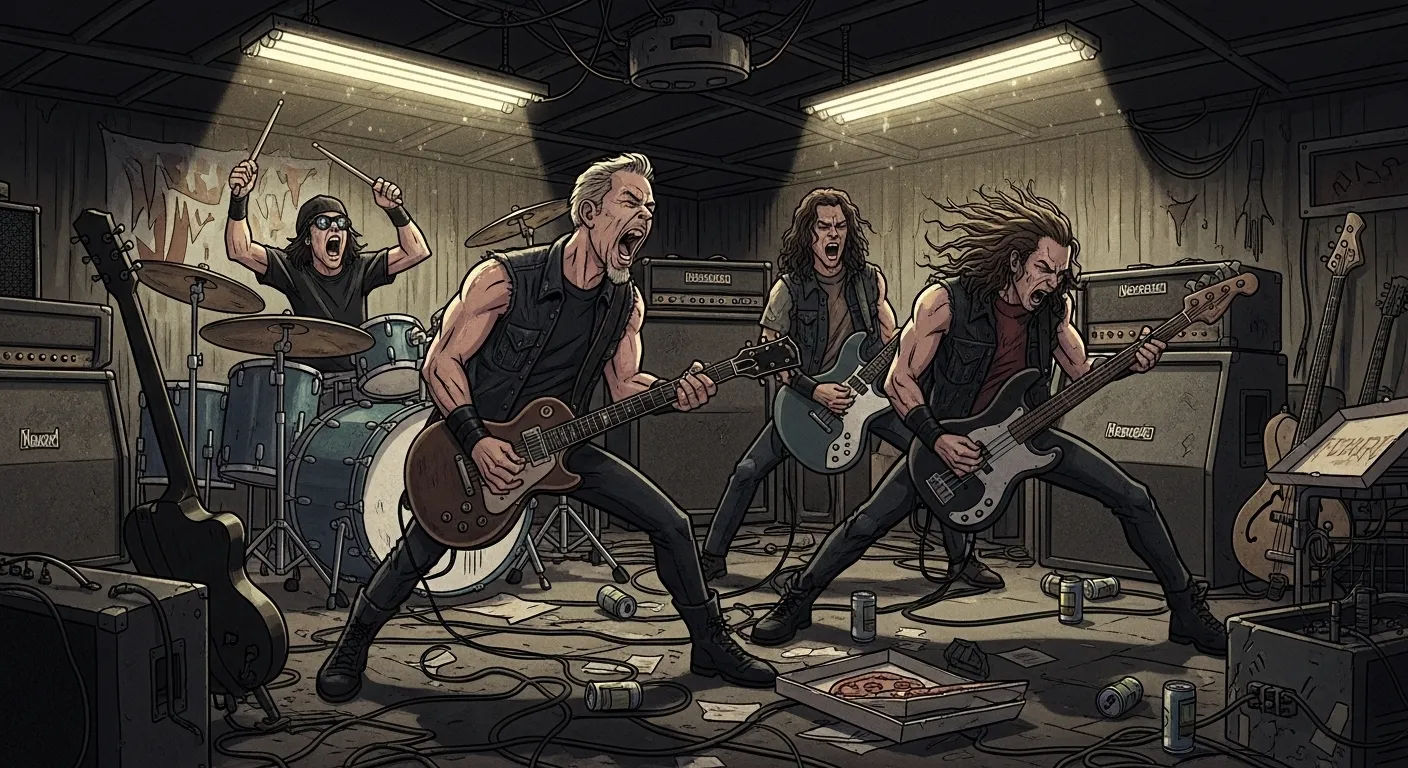
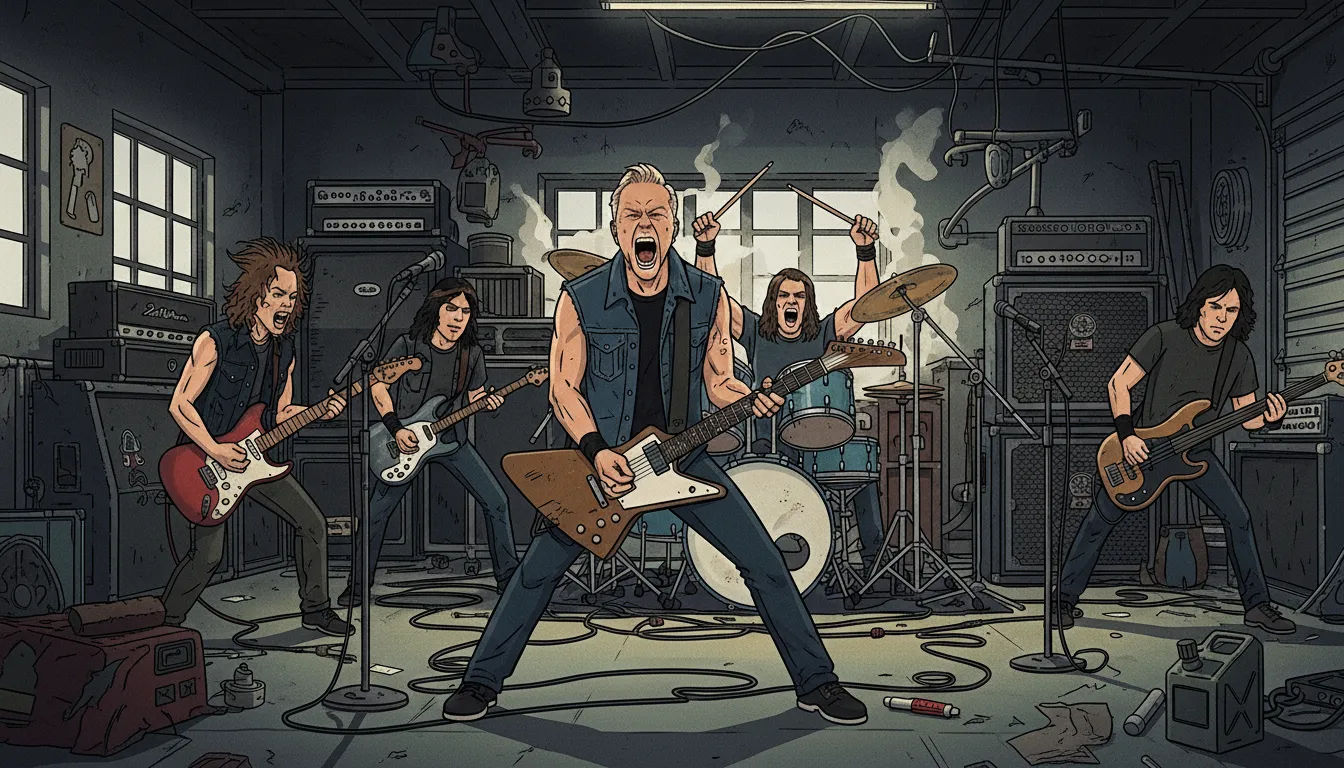
Hold up—was metal popular in the 1970s? Heck yeah it was! In fact, that’s when the whole dang genre blew up like a Marshall stack on fire. Before the ‘70s, rock was all peace, love, and patchouli. Then came the 70s metal bands—kicking down the door with fuzz pedals, doom riffs, and lyrics about warlocks and paranoia. Black Sabbath dropped their debut in 1970 and basically said, “Alright, flower power’s over—time for the darkness.” Critics called it “satanic noise,” moms called it “that awful racket,” but we? We called it home. So if your playlist skips the 70s metal bands, you’re missin’ the whole origin story, my dude.
Who Were the Hard Rock Singers in the 70s? The Vocal Gods Who Paved the Way
Now lemme ask ya—who were the hard rock singers in the 70s that made metal vocals a legit art form? First off, you got **Ozzy Osbourne**—mumbly, bat-chompin’, but somehow haunting as hell. Then there’s **Rob Halford** from Judas Priest, whose high notes could slice through steel like a hot knife through butter. Don’t sleep on **Ian Gillan** of Deep Purple either—dude belted “Child in Time” like his soul was on fire. And while Zeppelin’s Robert Plant leaned more bluesy, his banshee wails on “Immigrant Song” basically wrote the proto-metal playbook. These cats weren’t just singers—they were 70s metal bands’ secret weapons. Without ‘em, metal vocals might’ve stayed stuck in the shower.
Who Was the Heaviest Band in 1970? The Answer’s Louder Than Your Neighbor’s Stereo
Alright, settle this once and for all: who was the heaviest band in 1970? Straight-up? **Black Sabbath**. No debate. While everyone else was strummin’ about sunshine and rainbows, Sabbath dropped “Black Sabbath” (the song) with a tritone riff so evil, priests supposedly crossed the street when it played. Tony Iommi’s guitar sounded like a factory imploding. Geezer’s bass? Earthquake material. And Ozzy’s voice? Like a ghost whisperin’ from a haunted well. Compared to them, even Led Zeppelin sounded like a lullaby. That’s why every proper list of 70s metal bands starts with Sabbath—they didn’t just play heavy… they invented heavy.
Wait—What About the “Big Four of Death Metal”? (Spoiler: That’s Not the 70s, Bruh)
Hold your beer—someone asked, “What are the big four of death metal?” Gotta clear the air: that’s a ‘90s thing, not the ‘70s. The 70s metal bands were busy layin’ bricks, not growlin’ about zombies. Death metal’s Big Four—usually Death, Morbid Angel, Cannibal Corpse, and Obituary—didn’t even form ‘til the ‘80s. But here’s the tea: without the darkness, distortion, and doom pioneered by 70s metal bands like Sabbath, none of that extremity would’ve existed. So while the question’s a lil’ off-timeline, it’s a fair shout to how the ‘70s planted seeds that later bloomed into black, death, and doom metal. Respect the roots, ya feel?
The Holy Trinity of 70s Metal Bands: Sabbath, Priest, and Purple
If you had to pick three 70s metal bands that built the whole dang temple of metal, it’s this unholy trinity: **Black Sabbath**, **Judas Priest**, and **Deep Purple**. Sabbath brought the doom. Priest brought the leather, the speed, and those twin-guitar harmonies that still give us chills. Purple? They fused classical chops with raw power—“Highway Star” is basically a metal symphony on steroids. Miss one of these on your 70s metal bands list, and your metal education’s like a burger with no patty—technically there, but deeply unsatisfying.

Underground & Overlooked: Hidden Gems Among 70s Metal Bands
Not every 70s metal band got stadium tours or Rolling Stone covers. Some burned bright in dive bars and basement gigs. Take **Budgie**—Welsh trio with riffs so chunky, Metallica covered ‘em *twice*. Or **Rainbow**, Ritchie Blackmore’s post-Purple project that mixed medieval fantasy with solos that could melt faces. And don’t sleep on early **Scorpions**—those German lads were thrashin’ before thrash had a name. These bands might not headline your average “greatest ever” list, but dig into their catalogs, and you’ll hear the DNA of future metal giants. The 70s metal bands scene was deeper than most remember—it just took the world a hot minute to catch up.
Albums That Changed Everything: Must-Have Records from 70s Metal Bands
If you’re buildin’ a vinyl shrine for the ages, these 70s metal bands albums are non-negotiable:
- Black Sabbath – Paranoid (1970) – $35–$60 for original press on Discogs
- Judas Priest – Sad Wings of Destiny (1976) – where twin-guitar harmony was born
- Deep Purple – Machine Head (1972) – home of “Smoke on the Water,” duh
- Led Zeppelin – IV (1971) – not pure metal, but “Immigrant Song” = proto-metal anthem
- Rainbow – Rising (1976) – Dio’s vocal peak, no cap
Each of these shaped metal’s sound, look, and attitude. Skip ‘em, and your 70s metal bands knowledge’s lookin’ kinda… light. Plus, spinnin’ these on wax? That warm crackle before the first riff hits? Pure magic, baby.
From Blues to Bludgeoning: How 70s Metal Bands Evolved Rock
Fun fact: most 70s metal bands started as blues-rock outfits. Sabbath covered blues tunes. Purple jammed on Muddy Waters. But somewhere between ‘69 and ‘71, somethin’ shifted. Amps got louder. Tunings got lower. Lyrics got darker. The blues’ sorrow turned into metal’s rage. This evolution wasn’t planned—it was a sonic rebellion. And the 70s metal bands were the rebels with the Marshall stacks. They took rock’s foundation and built a fortress of distortion on top. Without that shift, we’d have no thrash, no death, no symphonic metal—just polite guitar solos and sad love songs. Nah, thanks.
Global Echoes: Were 70s Metal Bands Only British?
Most iconic 70s metal bands hailed from the UK—Sabbath (Birmingham), Priest (West Bromwich), Purple (Hertford). But the vibe spread faster than a mosh pit rumor. Germany’s Scorpions dropped killer records by ‘79. Japan’s Loudness formed in ‘78 (though they blew up in the ‘80s). Even the U.S. had outliers like Blue Öyster Cult, whose occult-tinged rock (“(Don’t Fear) The Reaper”) flirted hard with metal. So while Britain was the cradle, the 70s metal bands movement was already goin’ global by decade’s end. Metal, it turns out, speaks every language—especially when it’s played at 100 dB.
Why the 70s Metal Bands Still Matter in 2025
Fast-forward to 2025: TikTok teens are droppin’ their skateboards to rediscover “Iron Man” like it’s brand-new fire. Ghost’s whole papal-theater shtick? Straight-up worship at the altar of Alice Cooper and Black Sabbath. Even brainy modern acts like Tool tip their caps to the 70s metal bands like they’re handing over sacred scrolls. And why’s that? ‘Cause real don’t rust. Those 70s metal bands weren’t fakin’ it with autotune, quantized drums, or PR teams pushin’ hashtag campaigns. Nah—they had busted knuckles, tube amps screamin’ into the void, and lyrics that came straight from the garage, the gutter, or the soul. No filters. No fluff. Just truth cranked to eleven. In today’s world—where your playlist’s built by some algorithm guessin’ your mood based on your lunch order—that raw, unfiltered energy hits harder than a double IPA after a 12-hour shift at the plant. So whether you’re a Gen Z kid just learnin’ what a Marshall stack is, or a gray-beard who saw Sabbath open for Zeppelin back in ’72, the 70s metal bands serve up a masterclass in grit, groove, and goddamn heart. Wanna dive deeper into where it all kicked off? We got you covered: relive the thunder at 1970s heavy metal bands: birth of a musical revolution, explore the full pantheon over at Bands, or just kick back at the source: Arisen from Nothing. ‘Cause let’s be honest—right now, in this noise-filled world? We don’t just *like* that old-school roar. We *need* it.
Frequently Asked Questions
Was metal popular in the 1970s?
Yes, metal began gaining serious traction in the 1970s, thanks to pioneering 70s metal bands like Black Sabbath, Judas Priest, and Deep Purple. While not mainstream in the pop sense, these acts built massive cult followings and laid the foundation for metal’s global explosion in the 1980s. The 70s metal bands transformed rock into something heavier, darker, and more aggressive—creating a new genre from the ground up.
Who were the hard rock singers in the 70s?
The hard rock singers in the 70s who heavily influenced metal include Ozzy Osbourne (Black Sabbath), Rob Halford (Judas Priest), Ian Gillan (Deep Purple), Robert Plant (Led Zeppelin), and Ronnie James Dio (Rainbow). These vocalists defined the power, range, and theatricality that became central to the 70s metal bands sound and inspired generations of metal frontmen.
Who was the heaviest band in 1970?
The heaviest band in 1970 was unquestionably Black Sabbath. With their self-titled debut album, they introduced downtuned guitars, dark lyrical themes, and a slow, crushing rhythm that redefined “heavy.” No other act in 1970 matched their sonic weight, making them the cornerstone of all 70s metal bands that followed.
What are the big four of death metal?
The “Big Four of death metal” typically refers to Death, Morbid Angel, Cannibal Corpse, and Obituary—all of whom rose in the 1980s and 1990s. While not part of the 70s metal bands era, these groups owe their existence to the heaviness and darkness pioneered by 1970s acts like Black Sabbath. The 70s metal bands created the sonic and thematic blueprint that death metal later intensified.
References
- https://www.rollingstone.com/music/music-lists/best-metal-albums-of-all-time-123456/
- https://www.loudersound.com/features/the-100-greatest-metal-albums-of-all-time
- https://www.britannica.com/art/heavy-metal-music
- https://www.allmusic.com/style/heavy-metal-ma0000002713
- https://www.npr.org/2020/10/15/the-birth-of-heavy-metal