Big Four Metal Bands Legends Ranked
- 1.
Who Really Are the Big Four Metal Bands?
- 2.
Why Metallica’s the OG That Set the Bar
- 3.
Megadeth: Dave Mustaine’s Revenge Symphony
- 4.
Slayer: The Unholy Trinity of Speed, Satire, and Slaughter
- 5.
Anthrax: The New York Hustle with a Mosh-Pit Heart
- 6.
The Big Four Live: When Legends Shared a Stage
- 7.
Musical DNA: What Sets Each Band Apart
- 8.
Cultural Impact Beyond the Mosh Pit
- 9.
Discography Deep Dive: Albums That Define the Big Four
- 10.
Big Four Metal Bands in Today’s Scene
Table of Contents
big four metal bands
Who Really Are the Big Four Metal Bands?
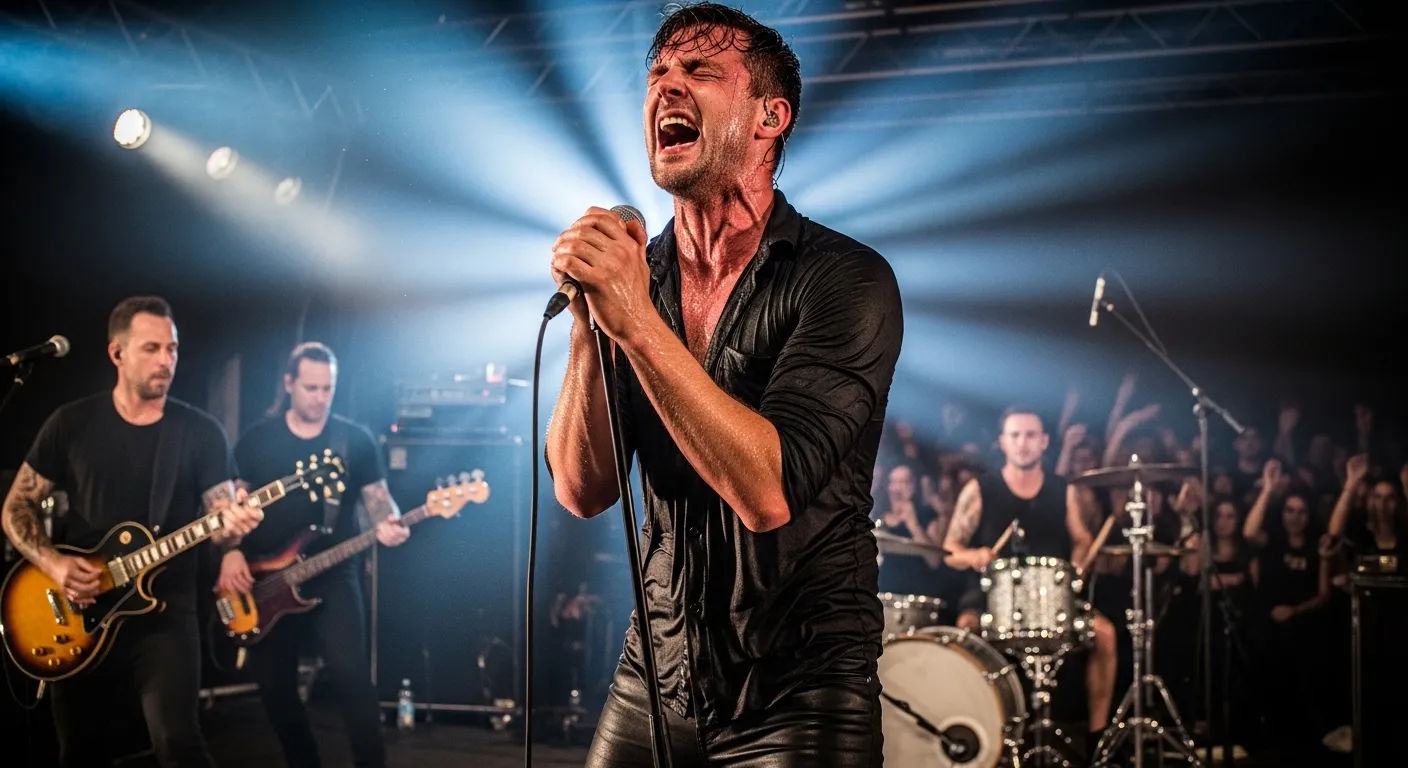
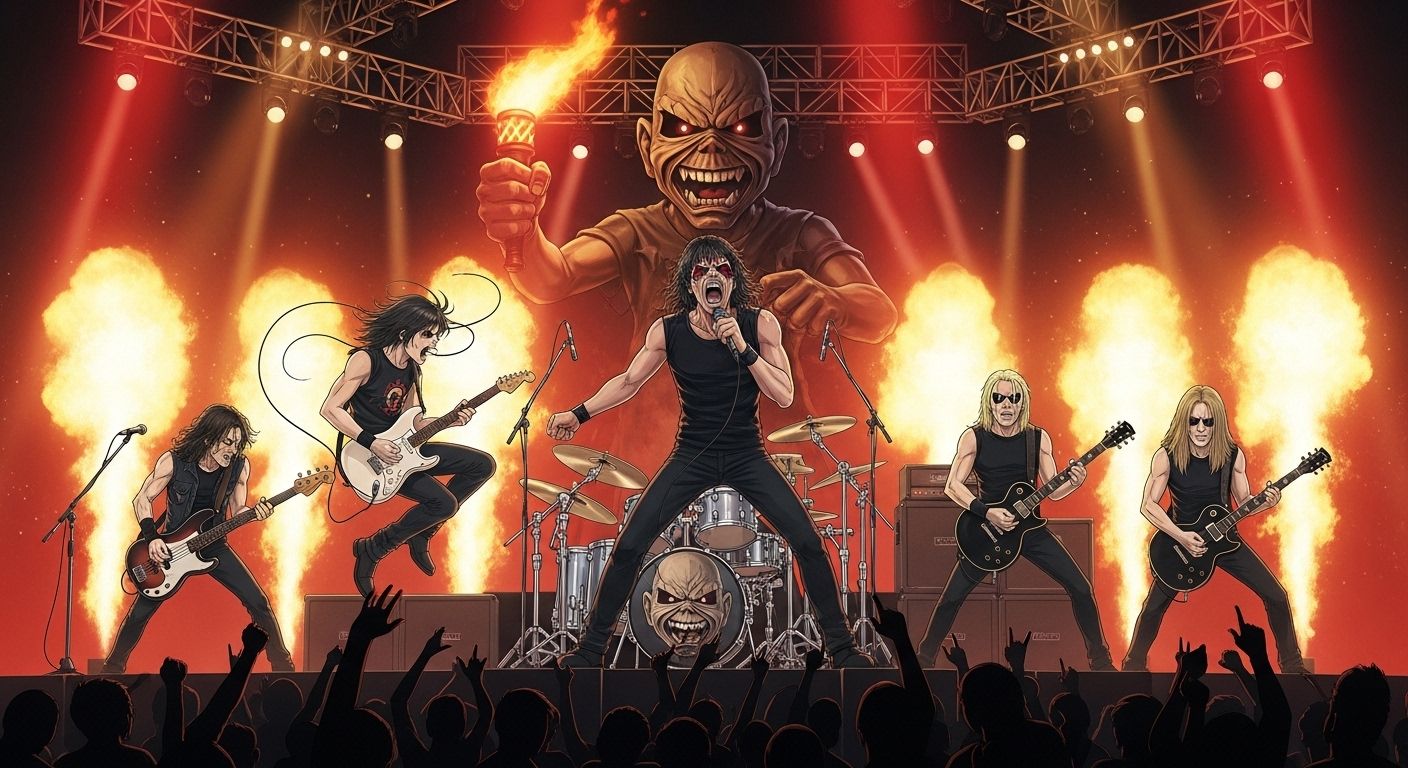
Ever tried to explain what “metal” means to your grandma and she starts checking the pots and pans under the sink? Yeah, buddy—we’ve all been there. But real talk: when a true metalhead drops the phrase “big four metal bands,” they ain’t just showing off their battle vest. Nah—they’re tipping their cap to a legendary quartet that straight-up rewrote the rulebook on heavy music. The big four metal bands—Metallica, Megadeth, Slayer, and Anthrax—aren’t just icons. They’re the mad scientists who turned distortion into dogma, mosh pits into sacred ground, and thrash into a full-blown movement. Back in the ‘80s, while pop stars were busy teasing their hair like it owed them money, these four were cranking amps to eleven, shredding fretboards like they stole ‘em, and birthing a sound so raw it still rattles garage walls in Jersey and backyard sheds in Texas.
Why Metallica’s the OG That Set the Bar
Let’s keep it 100: if the big four metal bands were a crew running the block, Metallica’s the OG who built the whole damn neighborhood. Born in L.A. but baptized in Bay Area thrash, they dropped Kill ‘Em All in ’83 like it was napalm in a soda can. Critics called it noise. We called it revelation. With Lars Ulrich’s machine-gun snare and James Hetfield’s voice—somewhere between a chainsaw and a campfire confession—they didn’t just enter the scene… they blew the doors off. Albums like Ride the Lightning and Master of Puppets? Straight-up holy texts for any kid with a busted Strat and a chip on their shoulder. Yeah, St. Anger might’ve sounded like a trash can full of angry raccoons, but even dented crowns still shine. When folks talk big four metal bands, Metallica’s the name that echoes first—from dive bars in Detroit to desert festivals in Arizona.
Megadeth: Dave Mustaine’s Revenge Symphony
If Metallica’s the king sipping crown royal in the castle, Dave Mustaine’s Megadeth is the streetwise hustler who got kicked out the gate and built his own damn empire—with duct tape, spite, and blistering arpeggios. Booted from Metallica in the early days, Mustaine turned every ounce of that beef into riffs so tight they could cut steel. Megadeth’s sound? Like Pythagoras jamming with a buzzsaw at 200 BPM. Rust in Peace didn’t just raise the bar—it vaporized it. The big four metal bands wouldn’t hit right without Megadeth’s surgical precision and lyrical snark. Dave’s tone? Cleaner than a surgeon’s conscience. His attitude? Pure California snarl with a Midwestern work ethic. And hell yeah—that rivalry with Metallica? It’s the stuff of dive-bar legend and guitar-shop lore.
Slayer: The Unholy Trinity of Speed, Satire, and Slaughter
While the others tiptoed near the edge, Slayer jumped off the cliff—laughing all the way down. Tom Araya’s basslines slithered like desert sidewinders, Kerry King and Jeff Hanneman’s guitars shrieked like souls stuck in a Kansas tornado, and their lyrics? Straight outta a midnight horror flick scribbled in red Sharpie. Reign in Blood (1986) wasn’t just an album—it was a Molotov cocktail tossed through the window of polite society. Critics called it unholy. Fans called it perfect. Among the big four metal bands, Slayer never bent, never blinked, and sure as hell never gave a rat’s tail about radio rotation. They were the pure, unfiltered id of thrash: fast, feral, and forever unapologetic.
Anthrax: The New York Hustle with a Mosh-Pit Heart
Don’t let the name scare ya—Anthrax is way more Saturday night fever than ER waiting room. Straight outta NYC, these cats brought funk, humor, and straight-up hip-hop swagger into the big four metal bands like nobody else had the guts to. Scott Ian’s rhythm chugged like a midnight F train through Brooklyn, Joey Belladonna’s vocals soared like a bald eagle rockin’ leather chaps, and that collab with Public Enemy on “Bring the Noise”? Straight-up revolutionary. While Slayer was busy summoning demons, Anthrax was cracking wise on stage and headbanging with LL Cool J. They proved thrash could be smart, funky, and still knock your teeth loose like a bad Philly cheesesteak bite.
The Big Four Live: When Legends Shared a Stage
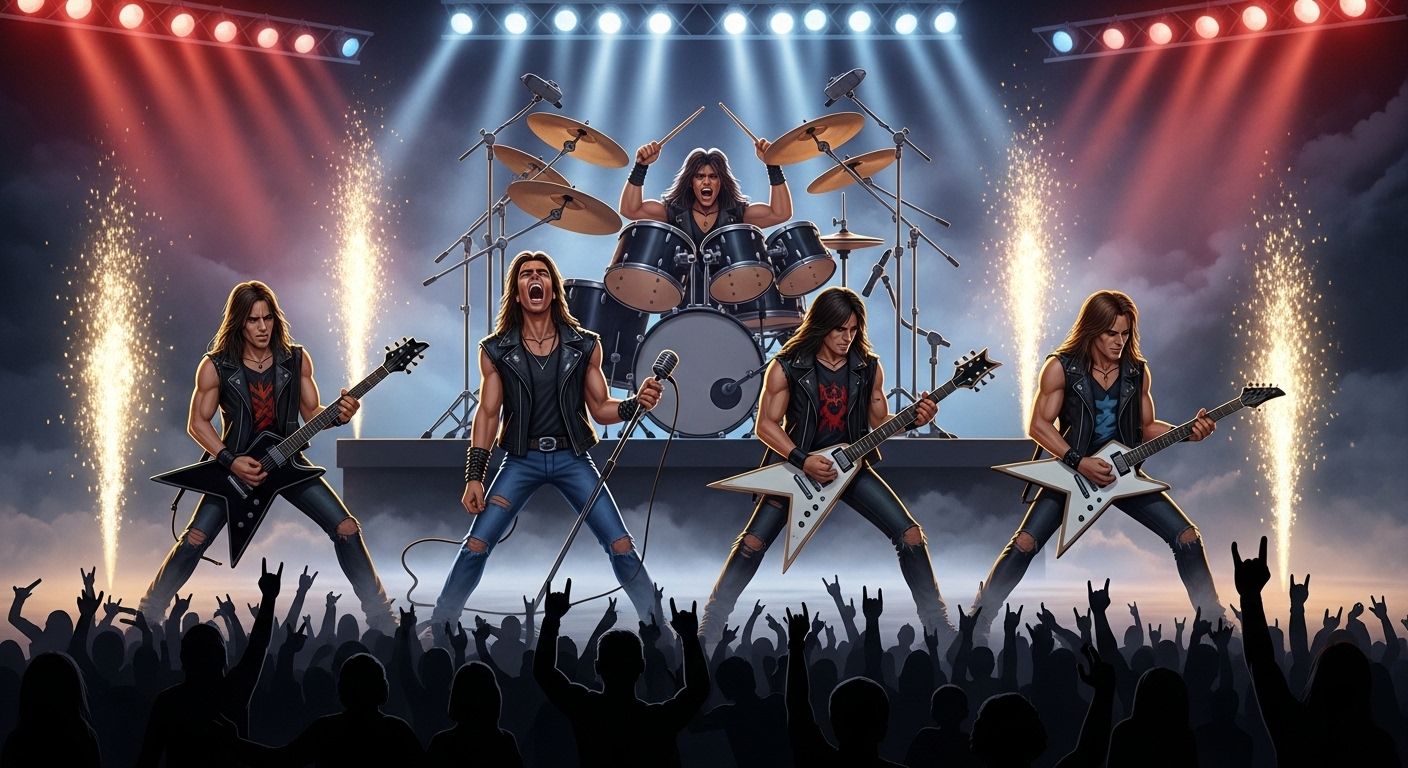
For years, fans prayed harder than a Baptist grandma at Sunday service just to see the big four metal bands share one stage. And then—boom!—2010 happened. At Sonisphere Festival in Sofia, Bulgaria, the dream became real. Thousands lost their minds (or at least their voice from screaming). It wasn’t just a concert—it was like Woodstock for thrash nerds. Metallica tore through “Creeping Death,” Megadeth nailed “Peace Sells,” Slayer unleashed “Raining Blood” like it was judgment day, and Anthrax brought the house down with “Caught in a Mosh.” The vibe? So electric, you could’ve powered a whole block of Vegas strip clubs with it. That night wasn’t just history—it was confirmation that the big four metal bands weren’t just bands. They were a movement, alive and roaring.
Musical DNA: What Sets Each Band Apart
Yeah, they’re all called the big four metal bands, but each one’s got its own flavor—like four different hot sauces on the same shelf:
- Metallica: Melodic fury with a side of existential dread—think Springsteen meets Satan.
- Megadeth: Technical riffs soaked in D.C. cynicism and caffeine.
- Slayer: Pure sonic napalm—no brakes, no mercy, just speed and screams.
- Anthrax: NYC groove with a Bronx punch and a wink.
It’s like comparing muscle cars—same horsepower, different paint jobs and attitude. Drop any of their early records in a time capsule under Route 66, and some future kid in a dusty jumpsuit’ll dig it up and say, “Damn… this is how they really did it.” That’s the raw, messy magic of the big four metal bands: same fire, different storms.
Cultural Impact Beyond the Mosh Pit
The big four metal bands didn’t just top charts—they shaped a whole damn generation. From lockers at high schools in Ohio plastered with Metallica patches to zines Xeroxed in Ohio basements, they gave voice to every misfit with a six-string and too many feelings. MTV played their videos like contraband. Moms worried they’d summon Satan (they didn’t… probably). But for kids in suburbs from Sacramento to Savannah, these bands were therapy, tribe, and truth—all rolled into one Marshall stack. Rage wasn’t just noise—it was poetry. Alienation? A badge of honor. And loudness? That was love. Even now, when some dude on TikTok layers “Master of Puppets” over a sick skateboard wipeout, that spirit’s still alive—digitally distorted, but never diluted.
Discography Deep Dive: Albums That Define the Big Four
If you’re just getting into the big four metal bands, here’s your starter pack—no excuses:
| Band | Essential Album | Year |
|---|---|---|
| Metallica | Master of Puppets | 1986 |
| Megadeth | Rust in Peace | 1990 |
| Slayer | Reign in Blood | 1986 |
| Anthrax | Among the Living | 1987 |
These ain’t just albums—they’re battle cries pressed onto vinyl. Each one captures the big four metal bands at their hungriest, angriest, and most brilliant. Skip one, and your thrash cred’s lookin’ suspiciously like a Walmart knockoff.
Big Four Metal Bands in Today’s Scene
Fast-forward to now, and the big four metal bands ain’t museum pieces—they’re still out here kickin’ ass and setting stages on fire. Metallica’s headlining stadiums in solar-powered tees, Megadeth’s touring with fresh blood but the same old venom, Slayer may have hung up their axes, but their ghost still haunts every breakdown in every basement band from Seattle to Miami, and Anthrax? Still pumping out riffs that hit harder than a Texas summer. Their DNA’s in every young shredder who picks up a guitar thinking, “Yeah… I wanna sound like that.” To dig deeper into the roots of this sonic rebellion, hit up Arisen From Nothing, browse our Bands section, or take a deep dive with Sabbat English Band Tracks Exposed. ‘Cause let’s be real—the big four metal bands didn’t just launch a genre. They started a damn religion… and the pews? Still packed, loud as hell, and covered in patches.
Frequently Asked Questions
Who was the big 4 in metal?
The big four metal bands refer to Metallica, Megadeth, Slayer, and Anthrax—the four American thrash metal bands that defined the genre in the 1980s and became the standard-bearers for heavy metal worldwide.
Who are the 4 fathers of metal?
While “fathers of metal” often points to pioneers like Black Sabbath or Judas Priest, within thrash specifically, the big four metal bands—Metallica, Megadeth, Slayer, and Anthrax—are regarded as the founding giants who evolved heavy metal into something faster, angrier, and more technically ferocious.
Who are the 4 pillars of heavy metal?
Though “pillars of heavy metal” can vary by subgenre, in the context of thrash and mainstream metal dominance, the big four metal bands—Metallica, Megadeth, Slayer, and Anthrax—stand as the four unshakable pillars that held up the golden era of aggressive, high-speed metal throughout the ‘80s and beyond.
Who are the big 4 death metal bands?
Ah, common mix-up! The big four metal bands are thrash metal, not death metal. Death metal has its own icons like Death, Morbid Angel, Cannibal Corpse, and Obituary—but they’re not part of the official “Big Four,” which exclusively refers to Metallica, Megadeth, Slayer, and Anthrax.
References
- https://www.rollingstone.com/music/music-lists/big-four-thrash-metal-1234567890
- https://www.metalsucks.net/2020/08/15/the-big-four-of-thrash-metal-explained/
- https://www.loudersound.com/features/the-history-of-the-big-four-of-thrash-metal
- https://www.sputnikmusic.com/editorials/Big-Four-of-Thrash